
 0
0How to Diversify Your Portfolio With Gold & Silver

From your first gram to a growing portfolio, our 101 guide breaks down how gold and silver help you to build steady, long-term wealth.
Most people are taught to invest in shares or property, or to keep money in the bank. While all of these have their place, relying too heavily on a single asset type can be a big risk, especially when markets turn volatile. And to shield you from inflation or any other externalities, precious metals like gold and silver come into play.
Diversifying simply means not putting all your eggs in one basket. Gold and silver help balance a portfolio because they behave differently from shares, property, or cash. They are physical assets, globally recognised, and have been trusted for centuries as a store of value.
Why Gold and Silver Are Used for Diversification
Gold and silver have been trusted for a long time because they’re simple and real. They don’t rely on how a company performs or what a government decides. You can actually hold them, store them, and sell them almost anywhere in the world. That physical nature makes people feel comfortable owning them.
Long before banks or stock markets existed, gold and silver were used for trading, saving, and making coins across many cultures. People accepted them because everyone agreed they had value. That shared trust is what made them valuable in the first place—and it still holds today.
When things get uncertain, like during inflation, economic slowdowns, or global events, many investors turn to gold and silver. Demand usually picks up because people want something steady. That’s why these metals are often called safe-haven assets. Not because prices never move, but because over the long run, they tend to hold their ground when other investments don’t.
Gold vs Silver: What’s the Difference?
Both gold and silver are precious metals that are mainly purchased to store value and preserve the purchasing power of money during inflation.
Gold is mainly purchased for wealth preservation. It’s solid, highly valued, and widely held by central banks and long-term investors. People worldwide use gold to protect purchasing power over time.
Silver is more affordable, making it easier for first-time investors to start. It’s also widely used in industry, including electronics and renewable energy, which further drives its rising demand. Thus, many investors choose to hold both gold and silver as part of a balanced precious metals portfolio.
Why Bullion Is Preferred Over Jewellery for Investment
Read on to understand key differences between gold and silver bullion and jewellery, and which type makes for a better investment.
What is bullion?
Bullion means gold or silver bars and coins made from very pure metal. Gold bullion is usually 99.9% pure, and silver bullion is the same. Bullion doesn’t include design, workmanship, or branding. Its value is based only on how much it weighs and how pure it is. Prices follow the live international gold and silver price, which makes bullion easy to understand and fairly priced.
What is jewellery?
Jewellery includes more than just gold or silver. The price also covers design, labour, and retail costs. While jewellery can be beautiful and meaningful, these extra costs usually aren’t paid back when you sell. The value depends on the condition, style, and current demand, which can change over time.
Which is easier to sell and why?
Bullion is simpler to sell because its value is clear and consistent. Buyers look only at weight and purity, so pricing is straightforward. Jewellery is less predictable, as most buyers will only pay for the metal itself, not the design.
That’s why many people choose bullion for investment. It’s easy to value, easy to sell, and closely follows the global market, making it a practical choice for long-term value.
Coins or Bars: What Should You Choose?
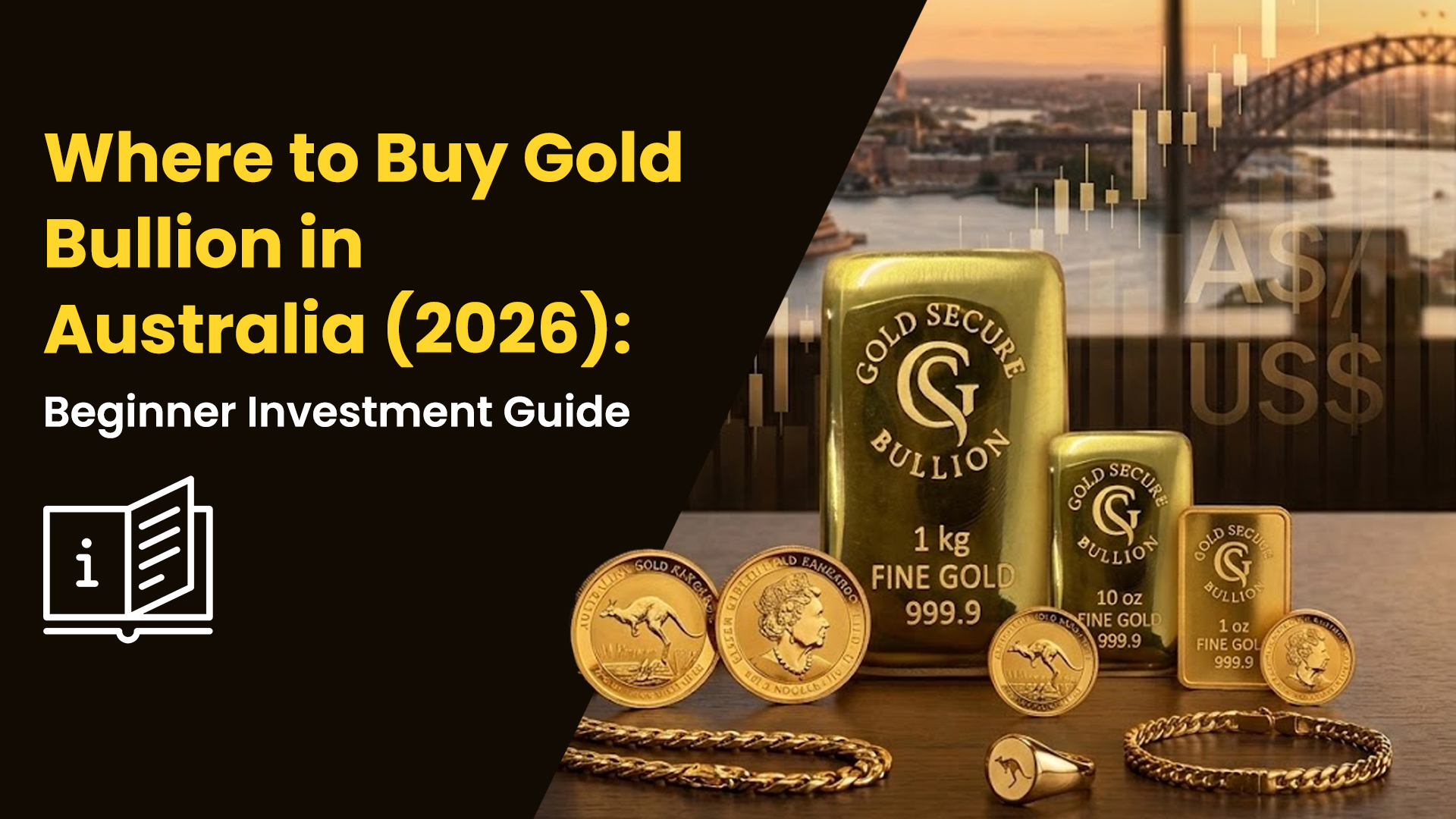
Both gold and silver bullion come in bars and government-minted coins.
- Bullion bars usually carry lower premiums and are ideal for those focused purely on metal value.
- Bullion coins are legal tender, easy to recognise, and widely accepted. Many investors like them for their liquidity and trust factor.
*Please note: Legal tender just means the coin is officially recognised by the government as real money, even though its metal value is usually far higher than the face value stamped on it. Because of this official backing, bullion coins are easy to recognise, trusted, and very easy to sell anywhere in the world.
In Australia, popular weights like 1g, 10g, 1oz, and 1kg are traded every day. These sizes are familiar to buyers and dealers alike, making them simple to value, buy, and sell with confidence.
Liquidity: Why Bullion Is Easy to Sell
Liquidity means how easily an asset can be sold without delays or complications. Australian gold and silver bullion are highly liquid because:
- Purity is standardised
- Weights are recognised globally
- Pricing is based on live market rates
- Dealers trade these products daily
How Much Gold or Silver Should You Hold?
Some people start small, others build gradually over time. The goal isn’t to replace your existing silver or gold bullion investments. It’s to add balance. Even a modest allocation of physical gold or investment into silver bullion can help reduce overall portfolio risk and provide peace of mind.
What to Look for When Buying Gold or Silver in Australia
Before making your gold and silver investment, it’s worth checking a few key things:
- Live price of gold: The price of gold and silver changes every day. A good dealer updates their prices in line with global market rates, so you are not overpaying.
- Investment-grade purity: This simply means the gold or silver is very high quality. Investment-grade metals are recognised worldwide and are easier to sell later if you choose to.
- LBMA-accredited products: LBMA stands for the London Bullion Market Association. Products with this accreditation meet international standards and are trusted across the world.
- Clear buyback policies: A reliable dealer should clearly explain how they will buy the metal back from you in the future, including pricing and process. No hidden conditions.
- Secure storage and private dealing options: Some dealers offer safe storage or discreet transactions if you prefer not to store metals at home. This adds peace of mind.
- An established Australian dealer with a strong reputation: Choose a dealer who has been operating in Australia for many years and has good customer reviews. This helps ensure honesty, safety, and proper support.
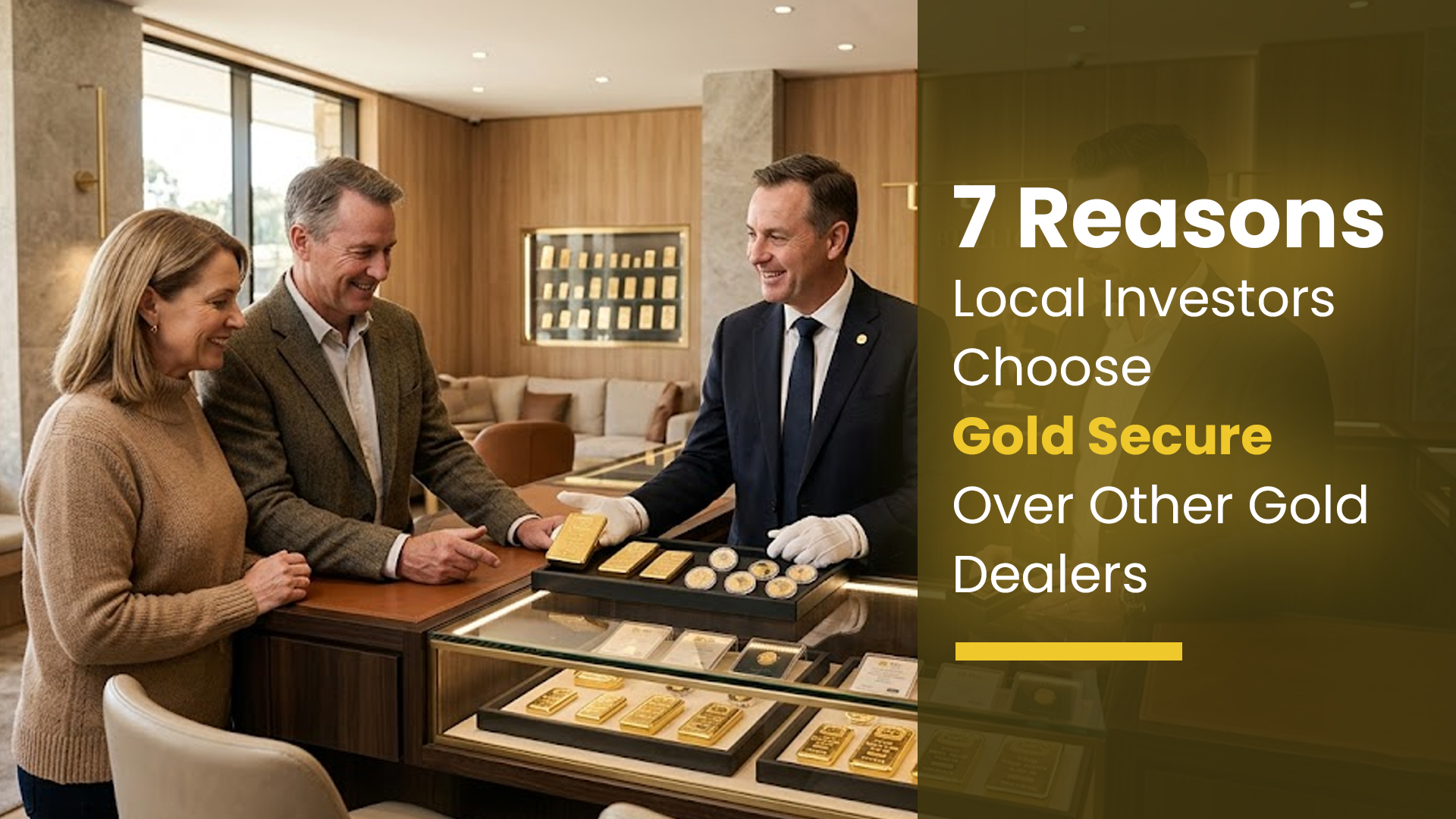
Why Many Australians Choose Gold Secure
Gold Secure has been operating in Australia for over 30 years and is proudly Australian-owned and managed. We specialise in investment-grade gold and silver bullion, offering a wide range of precious metal products from trusted local and international mints. Our clients value:
- Live gold and silver prices updated by the minute
- Clear, transparent pricing
- Experienced and friendly staff who offer practical advice
- Secure and private dealing suites
- A 24/7 online mail-in service and offline showroom access
Final Thoughts
Diversifying with gold and silver is about keeping your money safe and spreading risk. It means owning something real, alongside things like shares, property, and cash. Once you understand the basics, like the difference between jewellery and bullion and why people hold precious metals, it becomes much easier to make clear, confident decisions without feeling confused.
If you’re considering investing in gold coins or silver for your portfolio, start with trusted products, live pricing, and a reputable Australian dealer.
Want to build a steady, long-term wealth? Contact us at Gold Secure today!
Get in touch
- 07 4939 0239
- [email protected]
- 5/832 Gympie Rd, Chermside QLD 4032, Australia
- Business Hours: Monday to Friday: 9 am to 5 pm, Saturday: 10 am to 4 pm.
Author Bio