
 0
0Gold vs. Other Precious Metals: Which is the Better Investment?

Investing in precious metals has been a trusted way to preserve wealth and diversify investments for centuries. Metals like gold, silver, platinum, and palladium offer unique benefits, making them attractive options for investors. But which one stands out as the best investment? Let’s explore the characteristics of these metals to help you make informed decisions.
Why Invest in Precious Metals?
Precious metals are valued for their intrinsic worth, scarcity, and industrial applications. They can act as a hedge against inflation and market volatility while diversifying your portfolio. There are two primary ways to invest:
- Physical Investments: Purchasing coins, bars, or jewellery gives you direct ownership of the metal. This tangible form of investment allows you to store and hold assets physically, providing a sense of security.
- Investment Funds: Options like ETFs (exchange-traded funds) or futures provide exposure without physical ownership. These allow for easier trading and liquidity but may not suit those seeking a hands-on approach.
Each approach has its pros and cons, but physical investments offer tangible assets, while funds provide convenience and liquidity. The choice depends on your goals, budget, and risk tolerance.
Comparing Precious Metals
The table below summarises the key features of gold, silver, platinum, and palladium:
| Metal | Key Features | Pros | Cons |
| Gold | Stable, widely recognised, and highly liquid | Reliable store of value, hedge against inflation | High cost per unit |
| Silver | Affordable, industrial demand | Accessible entry point, high growth potential | Higher price volatility |
| Platinum | Rare, industrial use in automotive sector | Potential for high returns, diverse applications | Highly volatile, supply issues |
| Palladium | Extremely rare, critical for pollution control | Strong industrial demand, high scarcity | Price fluctuations, limited availability |
Gold Remains a Secure Investment
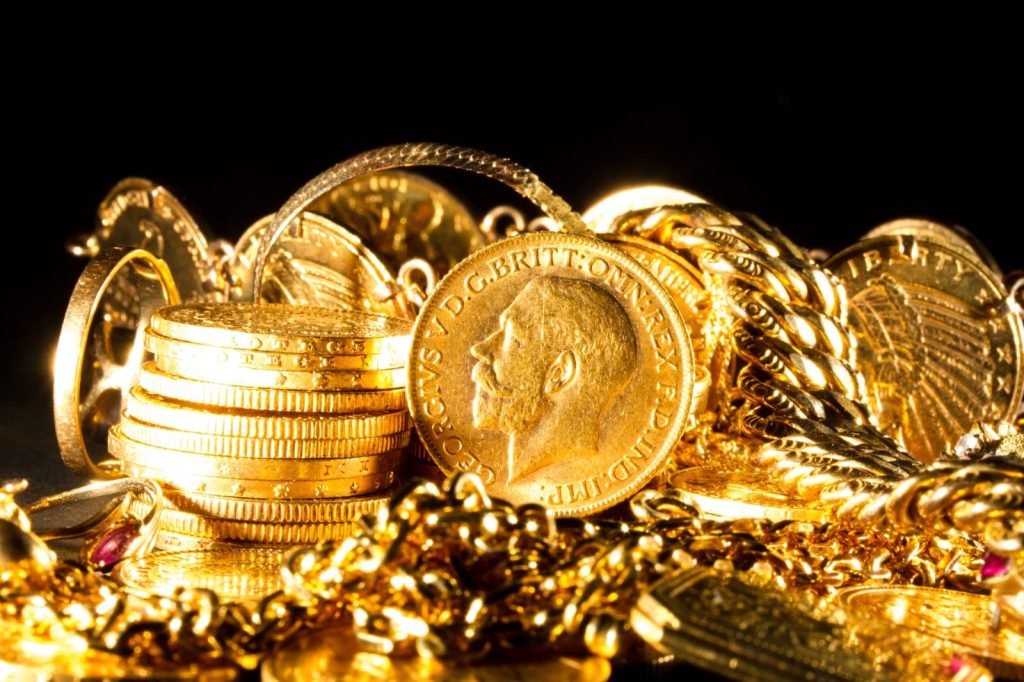
Gold is the most popular precious metal for investment. Known for its stability and ability to retain value, it’s a reliable choice during economic uncertainty. Gold’s demand stems from:
- Jewellery and currency applications.
- Industrial uses in electronics and sustainable technology.
Gold prices are less volatile compared to other metals, making it an ideal option for long-term wealth preservation. Additionally, geopolitical tensions, economic slowdowns, and inflationary pressures often boost gold’s value, solidifying its role as a “safe haven” asset.
Gold can be purchased in various forms, including:
- Bullion Bars and Coins: These are the most common physical forms for investors.
- Jewellery: While primarily decorative, jewellery can also serve as an investment.
- Digital Gold: A modern way to invest without the hassle of storage.
Silver as an Affordable Investment Option
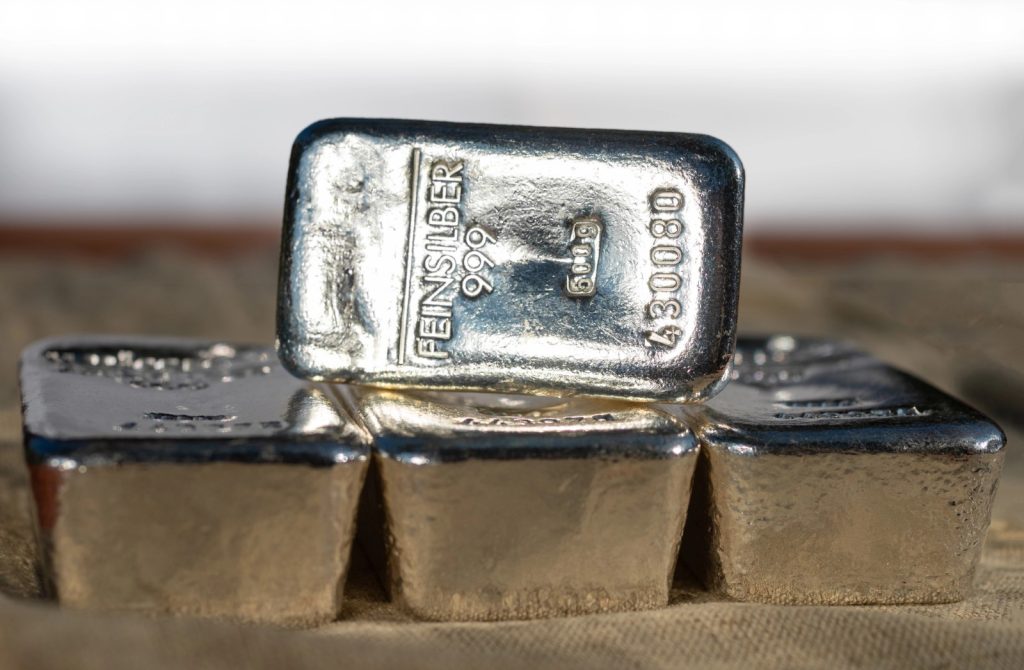
Silver is a cost-effective alternative to gold, with a mix of industrial and investment demand. It’s widely used in electronics, solar panels, and medical devices. While silver is more volatile than gold, it offers:
- An affordable entry point for new investors.
- Potential for short-term gains during market movements.
- High industrial demand, which supports its long-term value.
Silver’s volatility arises from its dual role as both an investment and an industrial commodity. For instance, economic growth often increases industrial demand for silver, driving prices up. However, economic downturns can lead to significant price drops.
Despite its volatility, silver is often seen as a stepping stone for new investors. It’s a practical way to diversify your portfolio without committing to high costs.
Platinum is Rare and Industrially Significant
Platinum is rarer than gold and has significant industrial demand, particularly in automotive manufacturing for catalytic converters. Its price can be influenced by:
- Supply constraints in mining regions like South Africa and Russia.
- Global demand for industrial applications.
Though platinum’s value can be volatile, it’s a good choice for investors seeking diversity and growth potential. The metal’s rarity makes it a luxury item in jewellery, further adding to its appeal.
Another factor driving platinum’s demand is the push for greener technologies. As countries adopt stricter emissions standards, the demand for catalytic converters—and thus platinum—is expected to rise. However, competition from palladium and the development of alternative technologies could impact platinum’s future prospects.
Palladium Is the Rare Gem
Palladium is even rarer than platinum and plays a crucial role in industrial applications, especially in reducing vehicle emissions. Its scarcity and demand can lead to dramatic price shifts. While palladium offers high growth potential, its price volatility makes it better suited for experienced investors.
Key uses of palladium include:
- Automotive catalytic converters.
- Electronics and medical devices.
- Hydrogen fuel cells for clean energy.
Palladium’s limited supply comes primarily from Russia and South Africa, making its price susceptible to geopolitical and economic disruptions. Investors should be prepared for sudden market movements, which can create both risks and opportunities.
Factors Affecting Precious Metal Prices
Understanding what drives the prices of precious metals can help you make better investment decisions. Key factors include:
- Supply and Demand: Limited mining outputs and high industrial demand can drive prices up.
- Economic Conditions: During economic instability, investors often turn to metals like gold as a safe haven.
- Inflation: Precious metals typically retain value, making them a hedge against inflation.
- Currency Fluctuations: A weaker Australian dollar can make metals more expensive domestically.
- Technological Advancements: Innovations in industries like automotive and electronics can boost demand for metals like platinum and palladium.
Investment Strategies
When adding precious metals to your portfolio, consider the following strategies:
- Diversification: Spread your investments across multiple metals to reduce risk.
- Long-Term Holding: Metals like gold are ideal for preserving wealth over decades.
- Short-Term Trading: Metals like silver and palladium offer opportunities for quick gains due to their price volatility.
- Balanced Portfolio: Combine stable assets like gold with higher-risk options like platinum or palladium.
Conclusion
Gold remains a staple for those seeking reliability and stability. Silver offers affordability and growth potential. Platinum and palladium cater to investors willing to accept higher risks for potentially higher returns. A balanced portfolio can include a mix of these metals, tailored to your financial goals and risk appetite.
To make the best decision, assess your risk tolerance, monitor market trends, and stay informed about global economic conditions. By understanding the unique qualities of each metal, you can build a diversified investment strategy that safeguards your wealth and aligns with your long-term objectives. With the right approach, investing in precious metals can provide a reliable path to financial security.
Author Bio