
 0
0How To Invest in Silver in Australia In 2025?

Investing in silver in Australia has become increasingly popular in recent years as investors look for ways to diversify their portfolios and hedge against inflation and market volatility.
Key Takeaways:
1. Why Silver is a Good Investment in Australia
- Silver is a reliable hedge against inflation and currency volatility.
- It serves industrial purposes in electronics, batteries, and solar panels, balancing supply and demand.
- Offers diversification in Australia’s commodity-heavy market.
2. How to Invest in Silver
There are 3 main ways to invest in Silver
- Physical Silver: Direct ownership of silver bars and coins via trusted dealers like Perth Mint and Gold Secure.
- Silver ETFs and CFDs: Liquid investment options without physical storage hassles, offering leverage and shorting opportunities.
- Mining Stocks: Indirect exposure with potential upside tied to mining performance, though with higher risks.
3. Tips for Successful Silver Investing
- Conduct thorough market research using local resources like Perth Mint and global insights from The Silver Institute.
- Manage risk with diversification, stop-loss orders, and strategic rebalancing.
- Develop a long-term strategy to navigate silver’s price volatility effectively.
4. Market Factors Impacting Silver in 2025
- Industrial demand for electronics and green energy drives silver consumption.
- Inflation, USD strength, geopolitical risks, and monetary policy influence silver’s price and appeal.
- Competing investments like gold and cryptocurrencies can affect market interest in silver.
5. Where to Buy Silver in Australia
Reputable dealers like Gold Secure offer high-purity silver with secure purchasing options across major cities.
6. Final Insights
Silver offers Australian investors a diversified, inflation-resistant asset. By researching thoroughly, managing risks, and understanding market dynamics, silver can be a valuable addition to any investment portfolio.
Whether you are new to investing in precious metals or a seasoned vet, you will know the different options to invest in silver and how to invest in silver in general so you can make informed decisions about including this commodity in your investments.
Is Silver a Good Investment in Australia?
Investing in silver has proven to be a worthwhile investment for Australian citizens in light of rising inflation and economic uncertainty. Silver stands out as a strong contender when evaluating assets that hold their value over the long run.
Unlike other precious metals, the supply of silver is carefully balanced as it is also an industrial metal vital for applications like solar panels, batteries, and electronics.
This balanced supply and demand profile makes silver a stable investment that can hedge against inflation and currency volatility alike. For Aussie investors specifically, silver offers diversification away from a market heavily concentrated in commodities, making it a good investment in Australia.
All Investing in Silver Options in Australia

There are a few main avenues for Australian investors looking to gain exposure to silver in their portfolio: physical silver, silver ETFs and CFDs, and silver mining stocks. Each option comes with advantages and considerations to weigh depending on an individual’s investment goals and risk tolerance. We will break down the key features of each to help determine the best way to invest in silver futures to suit your needs.
Buying Physical Silver
For those looking for direct exposure to silver, physical bullion is the most straightforward way to invest in silver futures in Australia. Both Gold Secure and Perth Mint Bullion offer a wide selection of high purity silver bars and coins that can be purchased and stored securely.
Owning physical silver allows you to hold the actual asset, taking direct possession outside of the banking system. However, storage and insurance costs do need to be considered long-term. Issues like transport and liquidity also make physical bullion less practical for quick trading.
Pros and Cons of Investing in Physical Silver
Advantages
- True Ownership: Holding physical silver means you own the asset outright, providing full control over your investment.
- Affordable Entry Point: Silver is significantly cheaper than gold, making it an accessible option for beginners looking to start small.
- Inflation Protection: Historically, silver has delivered returns that outpace inflation, offering long-term value.
- Potential Premiums: Physical silver often sells at a premium above the spot price, which can boost its resale value.
Disadvantages
- Storage Challenges: You need a secure location to store your silver, which may involve additional costs.
- Security Concerns: If stolen, your investment could be entirely lost, underscoring the need for strong safety measures.
Invest in Silver ETFs and CFDs
For those seeking exposure to silver price movements without the hassle of storage, silver ETFs and CFDs offer a versatile liquid approach.
Exchange-traded funds like the ETFS Physical Silver ETC allow investors to gain silver exposure through a regulated investment vehicle traded on the ASX.
CFD providers also offer contracts for difference referencing the underlying silver future, allowing leverage and shorting opportunities.
Both ETFs and CFDs bypass physical ownership and costs, offering simple trades from an internet-connected device. However, these investment vehicles are only as good as the counterparty behind them. Fees also apply to ETFs. Overall, silver ETFs and CFDs provide a cost-effective way to invest in silver in Australia suited for active trading strategies.
Pros and Cons of Investing in Silver via ETFs
Pros
- Convenience and Flexibility: These options allow you to buy, sell, or trade silver quickly and without the complexities of physical ownership.
- Broad Market Access: ETFs and CFDs provide exposure to a wide range of silver assets at relatively affordable prices.
- Lower Risk Compared to Stocks: Investing in silver through these instruments is generally safer than putting money into individual company stocks.
Cons
- Associated Costs: Investors may face expenses such as management fees, trading fees, and other charges that can impact returns.
- No Physical Possession: With ETFs and CFDs, you don’t own or have personal access to the actual silver, limiting tangibility and control.
Best platforms to trade silver stocks or ETFs
1. eToro
Price per trade: US$2
Inactivity fee: US$10/month (after 12 months of no log-ins)
Asset class: ASX shares, Global shares, US shares, ETFs
International trading: Yes
Exclusive Offer: Fund your account and get 12 months of Delta PRO investment tracking for free.
- Why Choose eToro?
Trade stocks, commodities, and currencies from one account. Enjoy the unique feature of social trading to follow and learn from top investors.
Go to site | View details
2. Tiger Brokers
Price per trade: US$1.99
Inactivity fee: $0
Asset class: ASX shares, Global shares, Options trading, US shares, ETFs
International trading: Yes
Finder Exclusive: Deposit AU$2000+ to get US$30 NVDA shares, US$30 TSLA shares, 10 brokerage-free trades, and 7% p.a. on uninvested cash for 30 days.
- Why Choose Tiger Brokers?
Access CHESS-sponsored ASX stocks and options alongside US and Asian markets, offering versatility for diverse traders.
Go to site | View details
3. Moomoo Share Trading
Price per trade: US$0.99
Inactivity fee: $0
Asset class: ASX shares, Global shares, Options trading, US shares, ETFs
International trading: Yes
Finder Exclusive: Unlock brokerage-free trades worth up to AUD$4,000 and US$4,000 over 60 days.
- Why Choose Moomoo?
Combine low fees with advanced social trading features and access to US, Asian, and ASX CHESS-sponsored stocks.
Go to site | View details
4. Superhero Share Trading
Price per trade: $2
Inactivity fee: $0
Asset class: ASX shares, US shares, ETFs
International trading: Yes
Exclusive Code ‘finder24’: Fund your account with $100+ and get US$10 Nvidia stock as a welcome bonus.
- Why Choose Superhero?
Perfect for those new to trading, offering US$2 brokerage for US stocks, ETF purchases, and competitive rates on Australian shares.
Go to site | View details
How to Pick the Right Platform?
When choosing your trading platform, consider:
- Fees: Lower trading costs mean higher returns on investments.
- Inactivity Charges: Avoid platforms with high inactivity fees if you trade sporadically.
- Asset Classes: Ensure the platform offers the stocks or ETFs you’re interested in.
- Exclusive Perks: Bonuses and free trades can help you get started more confidently.
Silver Mining stocks
For investors interested in gaining broader exposure to silver through companies that produce it, silver mining stocks offer another path. By purchasing equities in major silver miners, your investment performance will depend not just on silver prices but also on the company’s management abilities.
Mining stocks provide the potential for greater upside compared to spot silver since their value incorporates exploration success and production growth in addition to the underlying metal price. However, they also introduce greater risks from operating issues, political problems, and other equity market influences.
Why Should You Invest in Silver?
When it comes to silver, people typically see its value in two different ways: one is as a vital commodity with industrial applications, and the other as a precious metal with a finite supply and lasting worth, much like gold.
This unique blend of practicality and scarcity contributes to silver’s distinct position in the investment world.
Silver as an Industrial Asset
Silver’s remarkable properties, such as its exceptional electrical conductivity and antibacterial qualities, make it a vital resource in industries like electronics, healthcare, and renewable energy. It’s also prized for its malleability, ductility, and resistance to corrosion, making it a favored material for jewelry, coins, and a variety of other applications.
Historically, these qualities have supported silver’s dual role as both a practical material and a precious metal.
Silver as a Precious Metal
Like gold, silver holds inherent value due to its scarcity. While it’s difficult to pinpoint exactly how much silver remains on Earth, some forecasts suggest that the supply could be exhausted by 2050, though these projections depend on numerous factors such as recycling rates, mining advancements, and evolving demand.
A common economic theory posits that the value of commodities like silver, which have finite supplies and continuous demand, will rise over time. Advocates of this theory often highlight silver’s limited availability in contrast to the virtually limitless supply of fiat currencies like the Australian dollar.
This scarcity is part of why silver is often seen as a safeguard against inflation and currency devaluation. Historically, silver prices have moved independently of currency values, making it an attractive option during times of economic uncertainty.
Is Silver a Safe Investment?
While silver has numerous industrial and financial advantages, investing in it does carry risks:
- Price Volatility: Like many valuable metals, silver can experience significant price fluctuations, often without clear reasons. This volatility can be unsettling for some investors.
- Storage: If you choose to buy physical silver, finding a safe place to store it can be challenging. Additionally, storing silver with a broker typically involves extra fees.
- Risk of Fraud: When purchasing silver, especially in physical form, always be cautious.
- External Factors: Political and environmental factors can disrupt the mining and distribution of silver, leading to price fluctuations. Events that impact the cost of production or trade can have a direct effect on silver’s market value.
In conclusion, while silver is a valuable asset, it’s essential to weigh the risks and rewards carefully before deciding if it’s the right investment for you. Whether you’re drawn to its industrial uses or its role as a hedge against economic instability, silver presents both opportunities and challenges for savvy investors.

Tips to Invest in Silver in Australia
When getting started with silver investments, do take time to research markets and manage risk.
Developing a long-term strategy before acting on short-term price moves is key to successful investing in silver.
For Australian investors, this means leveraging local insights from Perth Mint, banks like Westpac which offer market commentary, and industry reports from organizations like The Silver Institute. Subscribing to trade alerts from reputed analysts can also keep you updated on factors impacting prices.
Risk Management
Risk management is an important part of successfully investing in silver long-term. With volatility inherent to commodity markets, prudent investors approach silver with a focus on limiting the downside. This means diversifying your portfolio beyond silver and using risk-defined position sizing based on your overall allocation to precious metals.
Stop-losses for physical holdings and limit orders for leveraged investments provide automated downside protection. Rebalancing periodically to your strategic asset weight also prevents overexposure from distorting returns.
Market Research
Thorough market research is similarly vital before implementing any silver investment strategy. Valuable resources exploring factors like seasonal trends, macroeconomics, technical analysis and industry reports exist locally and globally.
Sources like live price quotes from bullion dealers, annual production estimates from consultancies, and currency fluctuation data give insight into what may drive short-term moves and long-term direction.
Understanding these fundamentals places you in a well-informed position to take advantage of valuable opportunities and avoid pitfalls when investing in silver.
How to Buy Silver in Australia
Here’s a simple guide on how to buy silver in Australia:
1. Choose the right kind of Silver as per your need
- Silver Bullion: These are the most common form of silver investment.
- Silver Coins: Popular coins like the Australian Kangaroo, Silver Britannia, or American Silver Eagles are easy to buy and sell.
Silver Jewellery: If you’re buying for personal use, consider high-quality silver jewellery.
2. Choose a trusted dealer
- Look for well-established dealers in Australia. Ensure they have a good reputation and are accredited by the Australian Bullion Retailers Association (ABRA).
- You can also explore online retailers, but always check reviews and ensure they offer secure payment options.
3. Understand the pricing
- Silver prices are based on the global silver market, but Australian dealers may add premiums depending on the form and size of the silver.
- Check the live silver price online, but remember that premiums can vary by dealer and product.
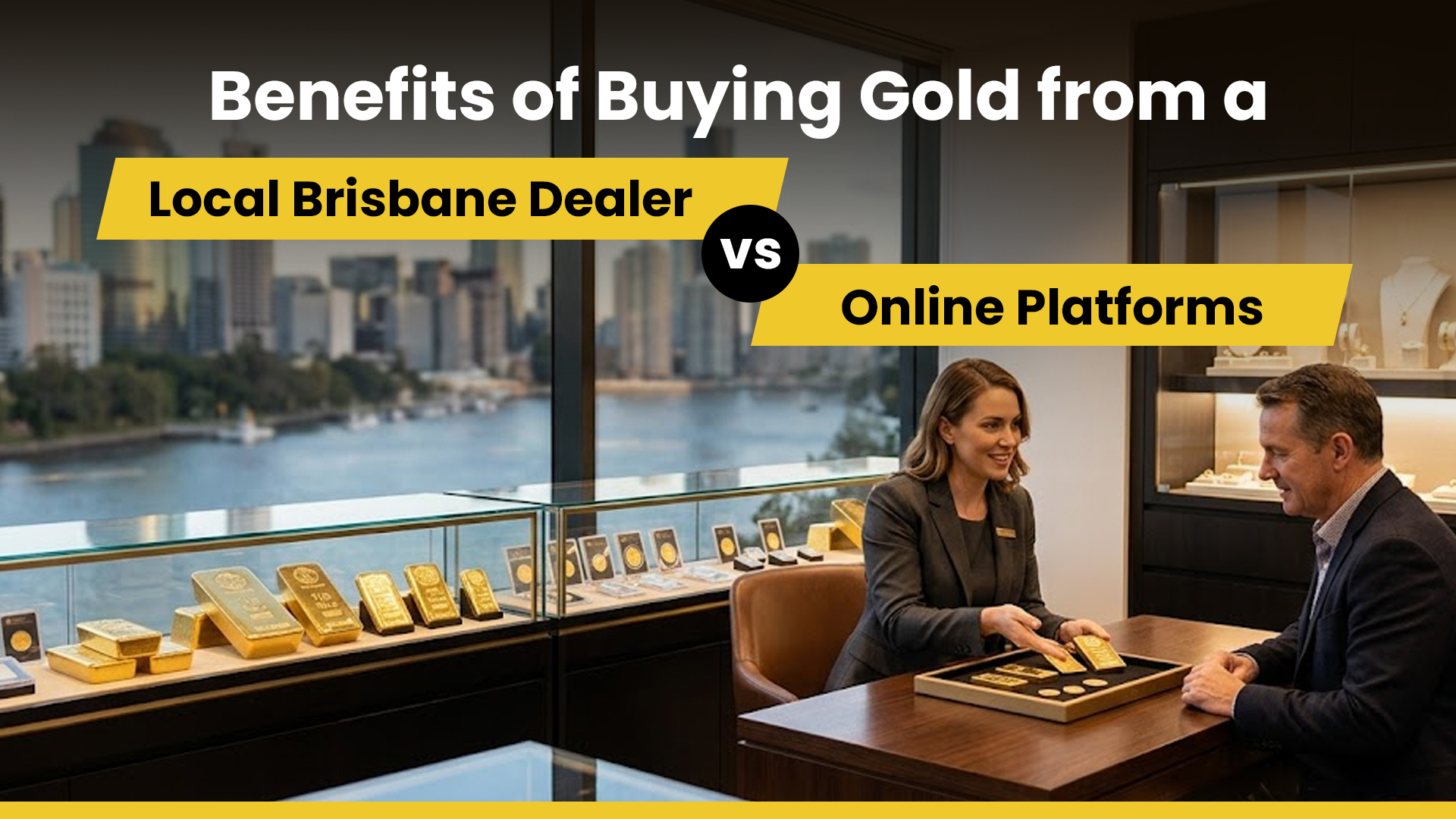
4. Buying from physical stores or Online
- Physical Stores: Visit a local bullion dealer for a personal experience. You’ll have the chance to inspect the silver before you buy.
- Online Stores: Convenient and often offer competitive prices. Ensure the online store provides insurance and secure shipping.
5. Check the Delivery and Storage
- If buying large amounts, consider secure storage options like a safety deposit box or a bullion storage service.
- When buying physical silver, verify delivery details and ensure your items are insured during transit.
6. Pay Attention to Taxes
While silver is generally exempt from Goods and Services Tax (GST) in Australia when sold as an investment (such as silver bullion), check the current tax rules to ensure you’re not caught out by any changes.
Where To Buy Silver in Australia?
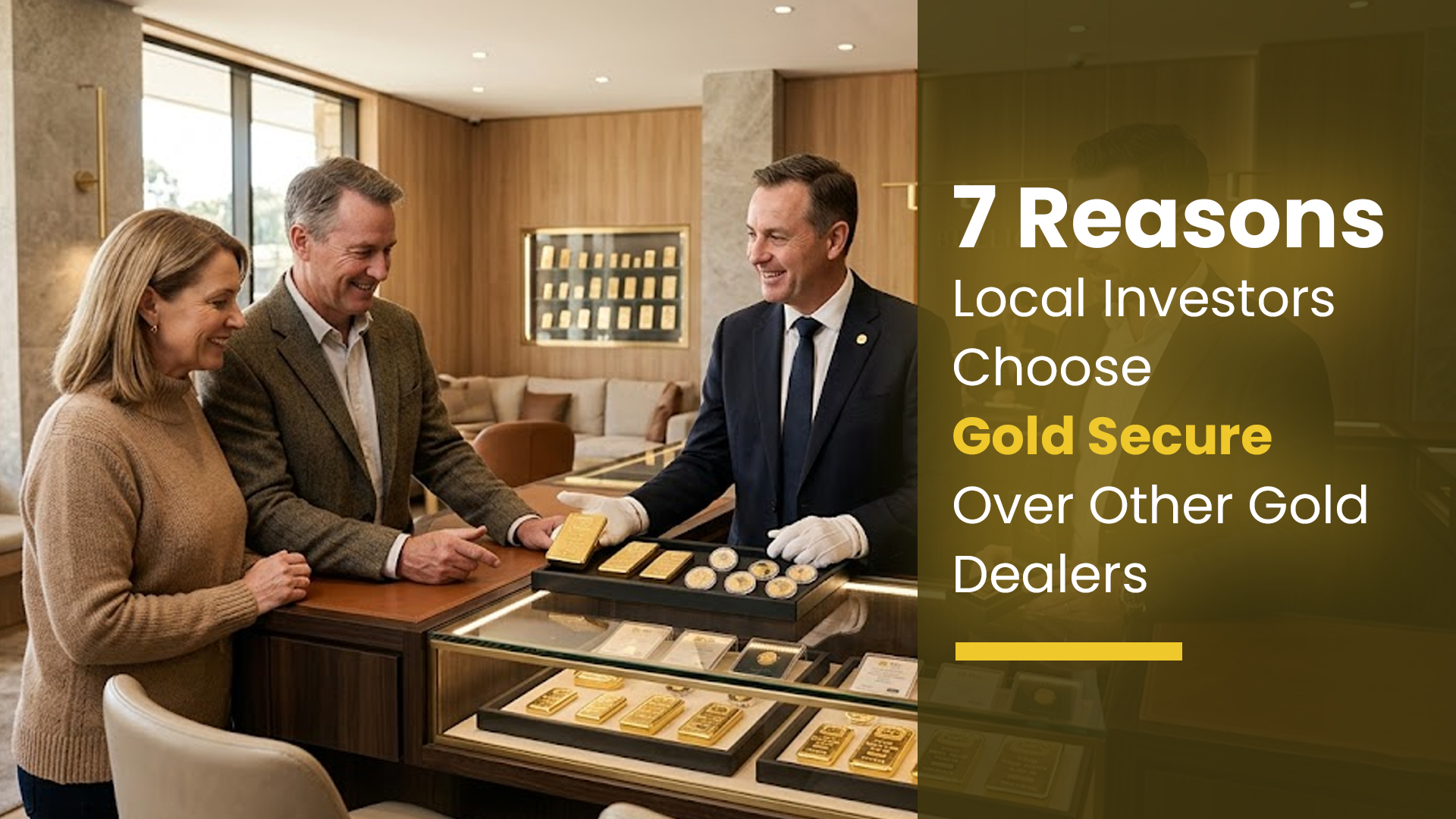
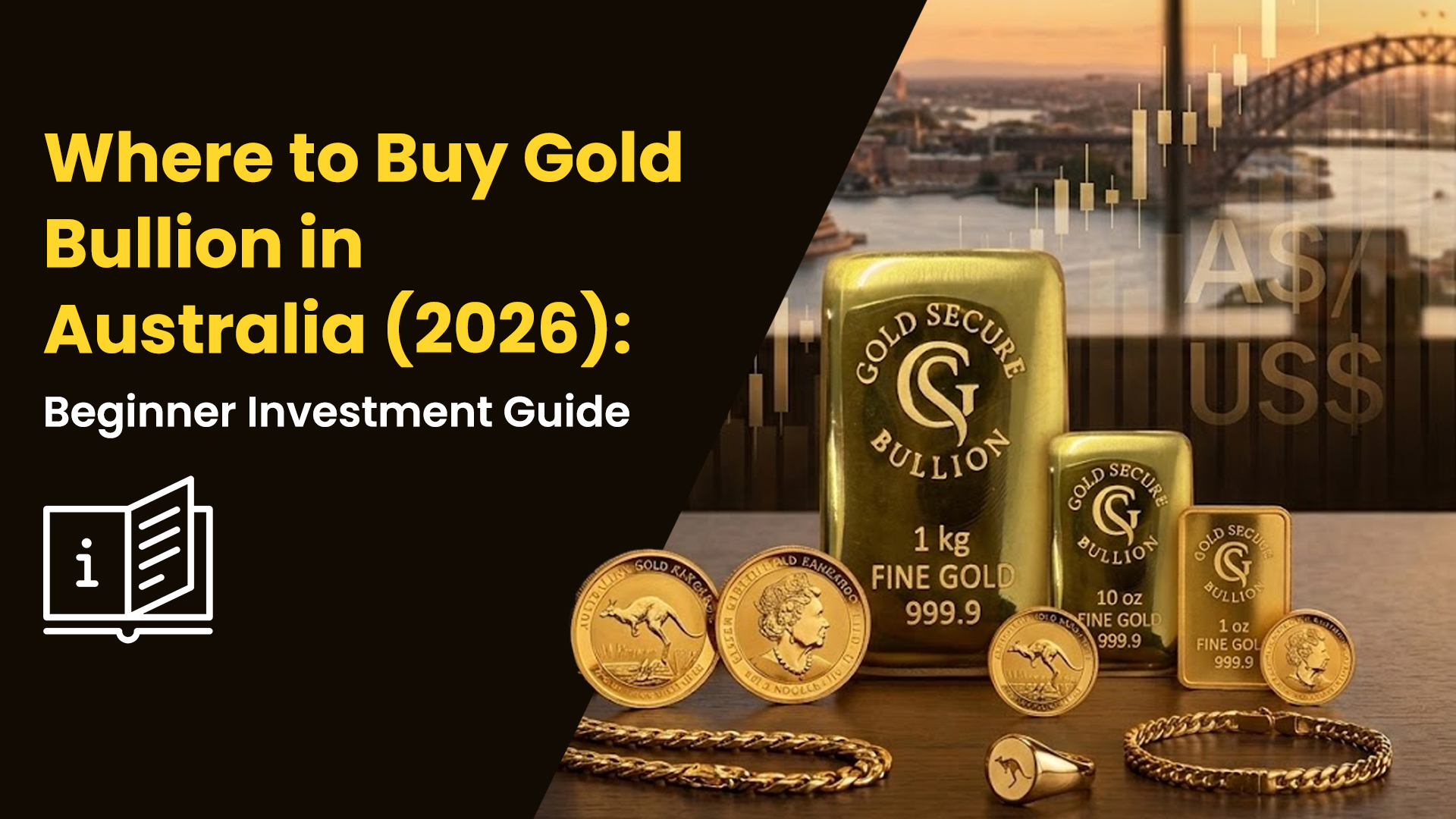
For physically purchasing silver to hold as a tangible investment or for regular trading needs, the top choice for Aussies is Gold Secure. With decades of experience in precious metals and outlets conveniently located across major cities like Brisbane.
No matter your preferred method – physical, ETF, or mining stock – dedicated dealers make completing silver transactions within Australia straightforward. Doing thorough research and knowing reliable partners is instrumental to effectively investing in silver close to home.
Factors Impacting Silver Investment in 2025
Global economic growth outlook and inflation expectations: A stronger economy would support industrial demand for silver, while higher inflation acts as a hedge for silver investments.
- U.S. dollar strength: A rising dollar makes commodities priced in dollars like silver less appealing to foreign investors.
- Investment demand: Increased ETF & fund flows as well as retail interest impact market liquidity & price direction.
- Industrial demand: applications like electronics, and photovoltaics influence baseline physical consumption.
- Producer hedging behaviour: Major miners’ decisions to lock in prices affect near-term supply.
- Geopolitical risks: Tensions involving major economies or producers may ignite safe-haven bids.
- Monetary policy: Interest rate expectations guide the opportunity cost of holding non-yielding bullion.
- Alternatives: Flows between gold, crypto, and stocks impact the relative appeal of silver investments.
Final Words
In conclusion, this article has outlined the basics of investing in silver for Australian investors and some of the main factors that may impact Australia’s silver market in 2025.
Whether you choose to invest in physical silver, ETFs, mining stocks or a combination, doing thorough research into your options and keeping an eye on the fundamentals will serve you well in building a silver position suited to your unique goals and risk tolerance.
By carefully managing risk, studying industry developments, and maintaining a long-term perspective, Australian citizens stand to benefit from including silver as a portfolio diversifier and inflation hedge for the coming year.
FAQs
How much is silver worth?
The price of silver in Australia fluctuates daily based on global market conditions, supply and demand, and economic factors. As a rough guide, silver is typically priced between AUD $30 to AUD $50 per ounce. To get the most accurate and up-to-date price, it’s recommended to check Australian precious metal dealers or financial websites, as the value can vary depending on the day’s market movements.
Why invest in silver?
Investing in silver in Australia can be a smart move for diversifying your portfolio. Like gold, silver often acts as a hedge against inflation and economic uncertainty. Additionally, silver has industrial applications, especially in sectors like electronics and renewable energy, which can boost demand. In Australia, where the cost of living and inflation can fluctuate, silver provides a stable investment option. It’s also more affordable than gold, making it accessible for beginner investors.
How to trade in Silver?
Trading silver in Australia is straightforward, with several options available. :
- Physical Silver: You can trade silver in its physical form, such as coins or bars, through local dealers or online platforms.
- ETFs (Exchange-Traded Funds): ETFs allow you to invest in silver without physically owning it, by buying shares that track the price of silver.
- CFDs (Contracts for Difference): CFDs let you speculate on the price movements of silver without actually owning it, enabling profit from both rising and falling prices.
- Silver Futures: Australian brokers offer access to silver futures, which are contracts to buy or sell silver at a predetermined price at a future date.
- Spot Trading: Spot trading allows you to buy or sell silver at the current market price, with immediate settlement.
Can I profit from trading or investing in the silver price?
Yes, you can profit from trading or investing in silver in Australia. By purchasing silver when the price is low and selling it when it rises, you can make a profit. Silver futures and ETFs allow you to benefit from price fluctuations without needing to physically hold the metal. However, it’s important to remember that silver prices can be volatile, and as with any investment, there is a risk of loss. By staying informed about market trends and economic factors, you can improve your chances of making a profitable trade.
When can I trade silver in Australia?
Silver can be traded almost 24/7 in Australia via various platforms, but it’s important to note that major silver exchanges such as the COMEX in the U.S. operate during specific trading hours. In Australia, you can access silver trading through local brokers, with real-time prices available outside of typical market hours. However, liquidity might be lower during off-hours, so it’s best to trade during peak market times to ensure better pricing and execution.
Author Bio